
Mastering Leash Reactivity: How Our Premier Training Service Transforms Your Dog and Strengthens Your Bond
- Chris Wooderson
- May 9
- 3 min read

Leash reactivity can turn everyday walks into stressful encounters for both dogs and their owners. When a dog lunges, barks, or growls at other dogs, people, or stimuli while on leash, it creates tension and frustration. But this behavior is not a dead end. With the right approach, you can help your dog feel calmer and more confident, making walks enjoyable again. Our new premier training service offers a unique solution: we come to your home and work with your dog daily for one to two hours, then finish the week with a personalized lesson for you. This method builds lasting change and strengthens your connection with your dog.
Understanding Leash Reactivity
Leash reactivity is a common issue where dogs react aggressively or fearfully to triggers while restrained by a leash. This behavior often stems from frustration, fear, or lack of socialization. Dogs may bark, lunge, or snap when they see other dogs, people, or even bicycles. The leash limits their ability to move freely, which can increase their stress and cause them to overreact.
Why Does Leash Reactivity Happen?
Frustration: Dogs want to greet or avoid something but feel trapped by the leash.
Fear or Anxiety: Past negative experiences or lack of exposure can make dogs wary.
Protectiveness: Some dogs feel the need to guard their owner or territory.
Lack of Training: Without clear guidance, dogs don’t know how to behave on leash.
Understanding the root cause helps tailor the training approach to your dog’s needs.
Challenges of Handling Leash Reactivity
Many owners try to manage leash reactivity by pulling harder on the leash or scolding their dog. These methods often backfire, increasing the dog’s stress and worsening the behavior. It can also damage the bond between dog and owner, making training more difficult.
Common mistakes include:
Using punishment: This can increase fear and aggression.
Ignoring the problem: Reactivity tends to get worse without intervention.
Inconsistent responses: Dogs need clear, consistent signals to learn.
Effective handling requires patience, consistency, and positive reinforcement.
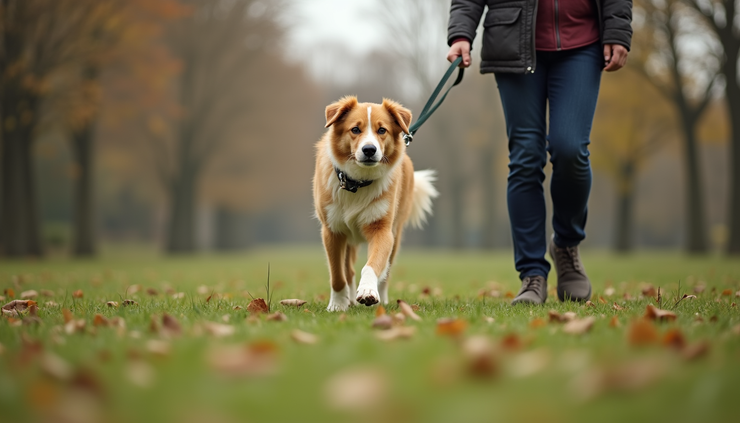
Calm leash walking builds trust and confidence between dog and owner.
How Our Premier Training Service Works
Our approach focuses on daily, hands-on training with your dog in their own environment. We spend one to two hours each day working directly with your dog, addressing their specific triggers and teaching them alternative, calm behaviors. At the end of the week, we conduct a personalized lesson with you to transfer the skills and techniques needed to maintain progress.
Benefits of Our Service
Consistent daily training: Frequent sessions help your dog learn faster.
Customized plans: We tailor exercises to your dog’s personality and triggers.
In-home convenience: Training happens where your dog feels most comfortable.
Owner involvement: The final lesson empowers you to continue progress confidently.
Reduced stress: Working with a professional reduces frustration for both dog and owner.
Practical Techniques We Use
Our training focuses on positive reinforcement and behavior modification. Here are some examples of techniques we apply:
Counter-conditioning: Changing your dog’s emotional response to triggers by pairing them with treats or praise.
Desensitization: Gradually exposing your dog to triggers at a distance they can handle without reacting.
Focus exercises: Teaching your dog to look at you or perform commands to redirect attention.
Loose leash walking: Encouraging calm walking without pulling or lunging.
Impulse control: Practicing “sit” or “stay” when triggers appear to build self-control.
Each dog’s plan is unique, but these tools form the foundation of effective leash reactivity training.
Real-Life Success Story
One client came to us with a dog who barked and lunged at every passing dog. After just a few days of daily training, the dog began to notice other dogs without reacting. By the end of the week, the owner was able to walk calmly past other dogs using the techniques learned during the final lesson. The owner reported feeling more confident and less anxious, and the dog was happier on walks.
How You Can Get Started
If leash reactivity is making walks difficult or stressful, our premier training service offers a proven path forward. We come to your home, work with your dog daily, and equip you with the skills to maintain progress. This approach saves time, reduces frustration, and creates a stronger bond with your dog.
To learn more or schedule your first week of training, email us at cwooderson@gmail.com. Take the first step toward peaceful, enjoyable walks with your dog.


Comments