
Understanding Board and Train Programs for Dogs
- Chris Wooderson
- Apr 21
- 4 min read

When you bring a new dog or puppy into your home, you want the best for them. You want them to be happy, well-behaved, and a joy to be around. Sometimes, though, training can feel overwhelming. That’s where professional help comes in. One option many dog owners consider is a board and train program. I’m Chris from Kansas City, and I’ve spent years working with dogs and their families. Let me walk you through what these programs are, how they work, and whether they might be right for your furry friend.
What Are Board and Train Programs?
Board and train programs are a type of dog training where your dog stays with a professional trainer for a set period. During this time, the trainer works intensively on obedience, behavior, and socialization. The idea is to give your dog focused attention in a controlled environment, away from distractions at home.
These programs usually last anywhere from two weeks to a month or more, depending on your dog’s needs. While your dog is with the trainer, you’ll often receive updates and sometimes even training sessions to help you continue the work once your dog comes home.
The goal is to build a solid foundation of good behavior and communication between you and your dog. This can be especially helpful if you’re dealing with specific challenges like leash pulling, jumping, or even more serious behavior issues.
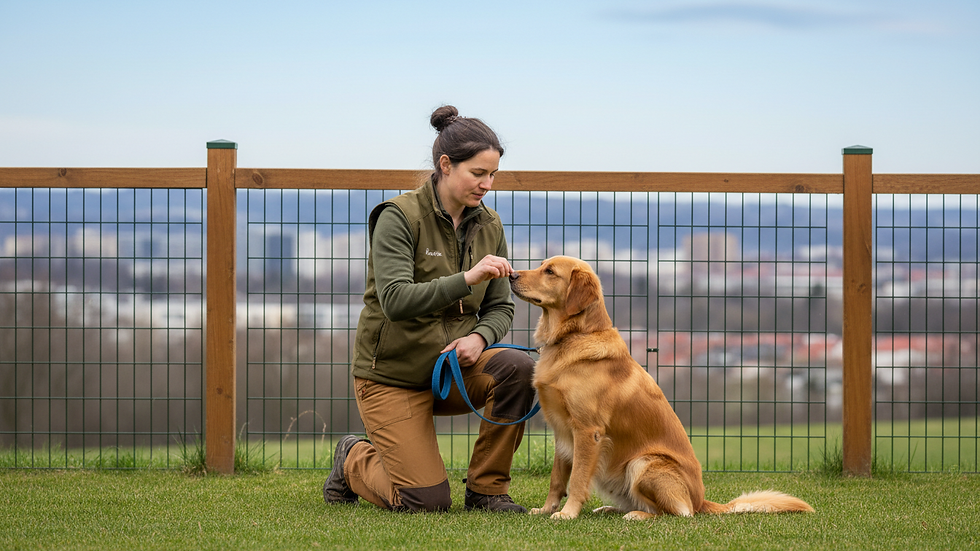
How Board and Train Programs Work for Puppy Training
Puppy training is a special case. Puppies are like sponges, soaking up everything around them. Early training sets the stage for a well-adjusted adult dog. In a board and train program designed for puppies, the focus is on socialization, basic commands, and house manners.
During the stay, the trainer will introduce your puppy to new experiences in a safe way. This might include meeting other dogs, learning to walk on a leash, and practicing sit, stay, and come commands. The trainer also works on crate training and potty routines, which are crucial for puppies.
One of the biggest benefits of a board and train for puppies is that it helps prevent bad habits from forming. Puppies can be a handful, and having a professional guide them through those early weeks can make a huge difference.
When you pick up your puppy, you’ll get guidance on how to keep the training consistent at home. This is key because puppies need repetition and patience to learn well.

Is Board and Train Effective for All Dogs?
Not every dog is a perfect fit for a board and train program. Some dogs thrive in this environment, while others may find it stressful to be away from their family. It’s important to consider your dog’s personality, age, and specific needs.
For example, dogs with severe anxiety or trauma might need a more gradual approach. In those cases, working with a trainer in your home or attending group classes might be better options. On the other hand, dogs who are easily distracted or have developed bad habits might benefit greatly from the focused attention a board and train program offers.
Age also plays a role. While puppies often do well, older dogs can also learn new behaviors with the right approach. The key is to find a program that tailors training to your dog’s unique situation.
Before committing, I recommend having a conversation with the trainer. Ask about their methods, experience, and how they handle dogs with different temperaments. A good trainer will be honest and help you decide if this is the right path.
What to Expect When Your Dog Comes Home
One of the most important parts of any training program is what happens after it ends. When your dog comes home from a board and train program, they’ll have new skills and habits. But it’s up to you to keep those going.
You’ll likely receive a training plan or schedule to follow. This might include daily practice of commands, continued socialization, and ways to reinforce good behavior. Consistency is everything. If you let old habits creep back in, your dog will get confused.
It’s also normal for your dog to need some time to readjust to home life. They might be a little tired or unsure at first. Be patient and give them plenty of love and encouragement.
If you’re unsure about how to continue training, don’t hesitate to reach out to your trainer. Many offer follow-up sessions or support to help you stay on track.
Tips for Choosing the Right Board and Train Program
Finding the right program can feel like a big decision. Here are some tips to help you choose wisely:
Meet the trainer: Talk to them about their experience and training philosophy.
Ask about methods: Make sure their approach matches your values. Positive reinforcement is a good sign.
Check references: Talk to other dog owners who have used the program.
Understand the schedule: Know what your dog will be doing each day.
Clarify communication: Will you get updates? Can you visit or participate in training?
Discuss follow-up: What support is available after the program ends?
Choosing a program is about trust. You want to feel confident that your dog is in good hands.
If you’re interested in exploring this option, I encourage you to learn more about board and train programs and how they might fit your dog’s needs.
Training your dog is a journey, not a quick fix. Whether you choose a board and train program or another method, the goal is the same - a happy, well-behaved dog who fits seamlessly into your family. Remember, every dog is unique, and with patience and the right guidance, you can build a strong bond that lasts a lifetime.


Comments